
Economic Optimization in Underground Planning: Application of DESWIK's PseudoFlow
Asturmine implements DESWIK's PseudoFlow algorithm to evaluate underground stope sequences under dynamic economic criteria, overcoming the limitations of the static cut-off grade.
Replaced the fixed cut-off grade with a dynamic comparison of accumulated revenues and costs
Automated evaluation of complex stope sequences in methods such as sublevel stoping
Reserve optimization through multi-scenario analysis with Revenue Factors
Drastic reduction in technical processing time in response to changes in economic variables
1. Context: Economic evaluation of mining workings and reserve definition
One of the fundamental challenges in underground mine planning is the correct economic evaluation of designed workings. Defining which workings —stopes, accesses, pillars, developments— should be considered within economically exploitable reserves is not just a matter of ore grades, but also of their operational viability and economic performance.
Traditionally, the reserve delineation process has been based on the use of a fixed cut-off grade, a static value that defines whether a block or a working should be included in the reserve inventory. However, in daily practice, especially in mines with complex structures such as those exploited using sublevel stoping methods, this binary logic is insufficient. Mining workings cannot be evaluated in isolation or with a single static metric, because actual costs and revenues depend on multiple factors, including prior developments, the mining sequence, and synergies between neighboring stopes.
In this scenario, designing mine workings and, even more importantly, evaluating their inclusion in reserves, becomes one of the most laborious and critical tasks within the planning cycle. To do it right, a detailed economic evaluation is required, which has often been approached with basic tools like spreadsheets or manual reviews, with the consequent risks of simplification and errors.
2. Problem: The limitations of the static approach and the burden of manual analysis
The use of a static cut-off grade involves significant risks in reserve evaluation. On one hand, it can lead to considering workings with grades above that threshold as profitable, when in reality their costs are so high that they do not generate a net benefit. On the other hand, it can exclude lower-grade workings that, when considered within the context of a complete sequence, actually prove to be economically viable.
This error is compounded when working with stope sequences. In a typical sublevel system, each panel can be composed of several stopes, and these in turn distributed across different sublevels. By evaluating each stope individually without considering the synergy with the others, a global view of the overall profitability can be lost.
Often, structural and general infrastructure costs —such as accesses, ventilation, ramps, backfill, or the mine's annual CAPEX— are largely absorbed by high-grade stopes, which generate a sufficient margin to cover these expenses. This allows other lower-grade stopes within the same sequence to be included in the reserve inventory, even if their individual profitability is limited. The only expectation for these lower-grade stopes is that they cover their own direct operating costs, such as blasting, loading, hauling, and plant processing.
This phenomenon makes the use of a fixed cut-off grade insufficient, as it completely ignores the actual distribution of costs. Furthermore, evaluating this precisely requires performing a technical-economic analysis stope by stope, a task that has traditionally been done manually, often using complex and poorly scalable spreadsheets. Every time the block model is updated, designs change, a stope optimizer is implemented, or economic parameters are redefined, this work must be repeated from scratch.
The workload, time required, and risk of errors make this approach unsustainable. Mines seeking to adapt quickly to market changes or their own operational conditions need a more automated, agile, and precise solution.
3. Solution: Automated sequence evaluation with DESWIK's PseudoFlow
To address this need for automation and precision, DESWIK has developed a specific tool called PseudoFlow, designed to assist in the economic and optimized evaluation of mine working sequences.
Unlike traditional tools that apply a uniform cut-off grade, PseudoFlow compares the accumulated revenue of a stope sequence with its accumulated costs, automatically distinguishing which ones are economically viable and which are not. This comparison is not limited to individual values: it analyzes the impact of each stope within the whole, allowing certain low-grade workings to be included if their marginal cost is low and they are offset by other higher-performing workings.
One of PseudoFlow's strengths is its ability to generate multiple scenarios based on economic objectives. This is achieved through the use of the Revenue Factor (RF), a parameter that allows adjusting the degree of conservatism in the analysis:
- With a high Revenue Factor (e.g., RF = 1.5), a high-price scenario is assumed. This allows more material to be included in the reserves, even with lower grades, since the higher selling price offsets the costs. In this case, exploitable tonnage is maximized and the cut-off grade is reduced.
- With a low Revenue Factor (e.g., RF = 0.8), a more conservative scenario is simulated. Marginal workings are excluded, higher-grade material is prioritized, and the focus is on maximizing economic margins. This raises the cut-off grade and reduces the included tonnage.
This approach enables well-founded strategic decisions, adapted to both the current market situation and future projections.
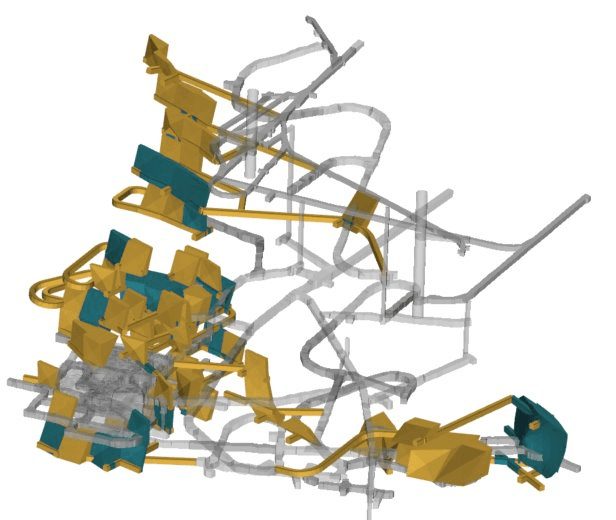
Fig 1: Positive Scenario. Static Analysis.
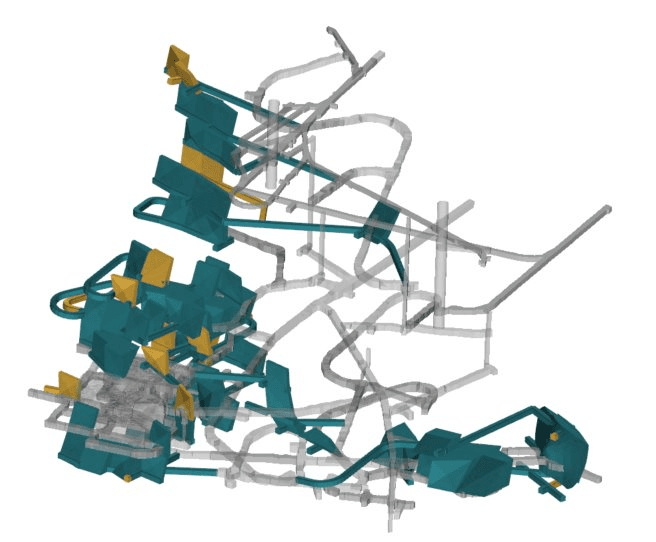
Fig 2: Positive Scenario. PseudoFlow Analysis.
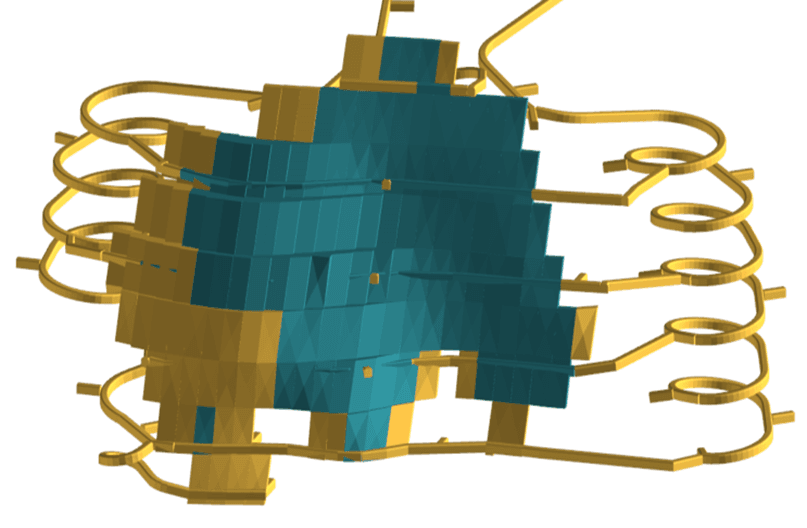
Fig 3: Negative Scenario. Static Analysis.
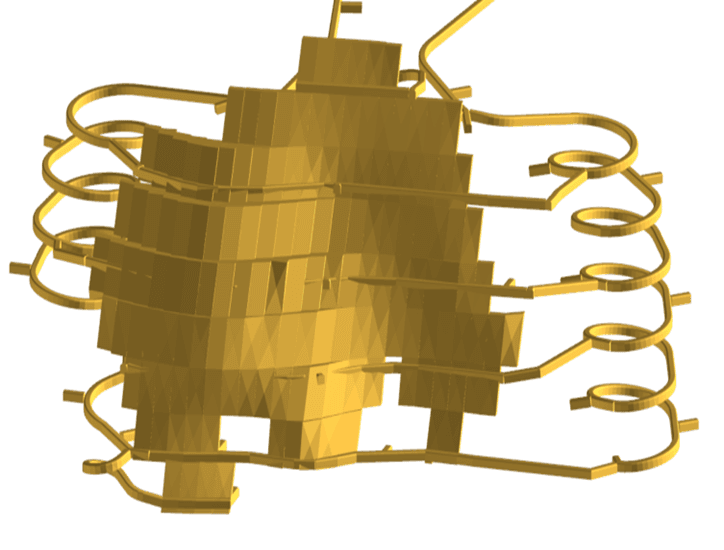
Fig 3: Negative Scenario. PseudoFlow Analysis.
4. Conclusions: Toward more precise and strategic mine planning
The use of tools like PseudoFlow represents a substantial improvement in how we evaluate which workings should enter reserves. By moving away from the static cut-off grade approach and adopting a dynamic view based on real economic value, technical teams can generate reserve models that are more representative and useful for decision-making.
In addition to improving analysis precision, PseudoFlow drastically reduces the time and effort required for each model update. Its ability to generate multiple scenarios in a few minutes, incorporate actual costs, and jointly evaluate stopes within a sequence makes it an indispensable tool for any mine looking to optimize its planning.
Ultimately, tools like PseudoFlow do not just help automate tasks; they bring economic intelligence and flexibility to the design and reserve evaluation process. In an environment where efficiency, speed of response, and adaptability are key to the sustainability of a mining operation, their implementation represents a real competitive advantage.